
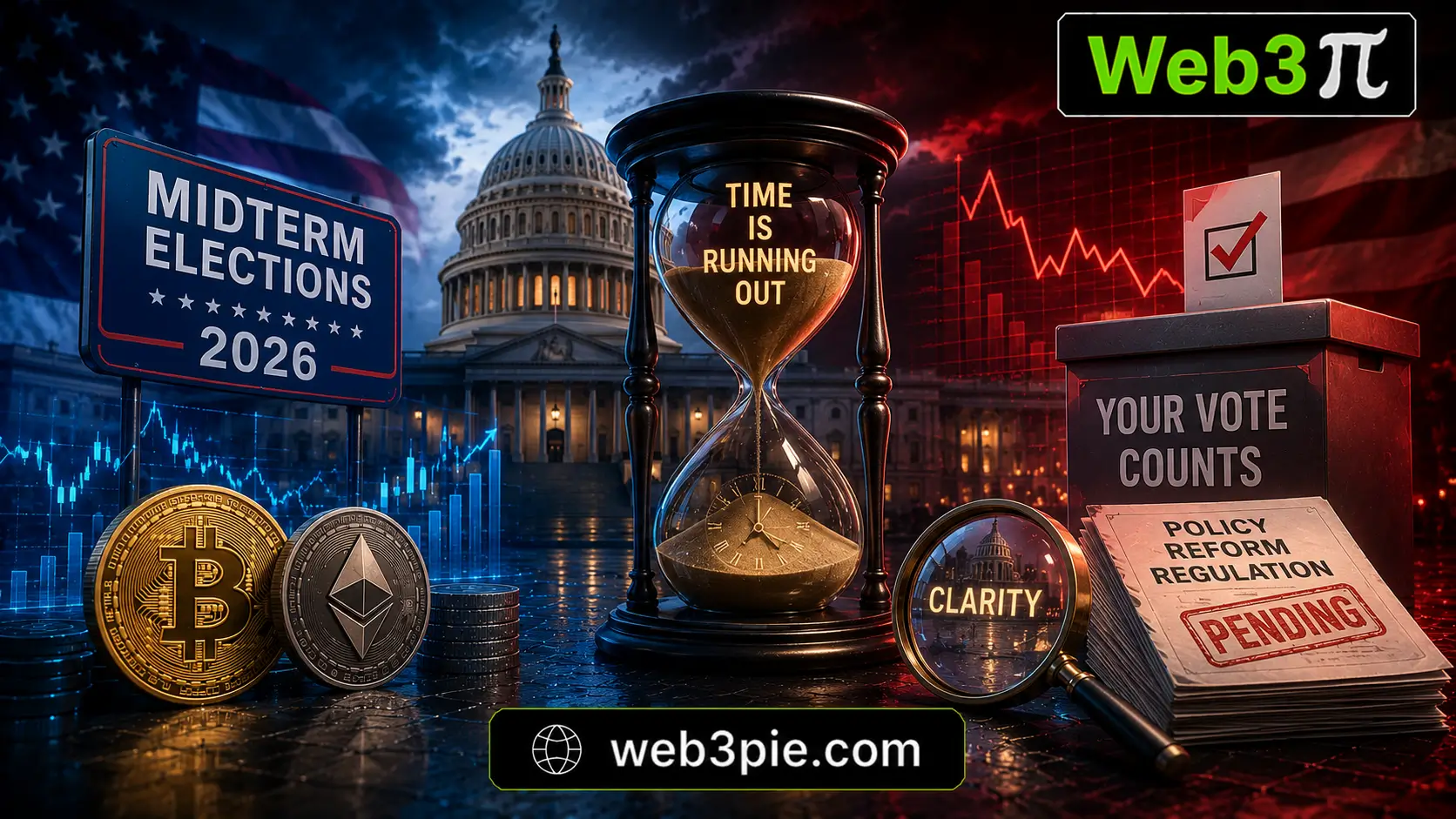
The political landscape is buzzing with a familiar yet increasingly urgent sentiment: the hope that “Clarity” on key legislative issues can be achieved before the looming midterm elections. Despite the tight timeline, an underlying optimism persists across the political spectrum. However, as days tick away, the window for bipartisan agreement narrows, raising critical questions about the feasibility and consequences of inaction.
The Elusive Search for Bipartisan Consensus
For months, stakeholders from both sides of the aisle have expressed a desire for clearer guidelines and settled policy positions on various complex matters, often encapsulated under the umbrella term “Clarity.” This pursuit reflects a broader yearning for stability and predictability, essential for economic planning and societal progress. Yet, defining and achieving this elusive “Clarity” has proven to be a formidable challenge, requiring significant compromise and political will from all parties involved.
Political Optimism Versus Legislative Reality
Despite numerous stalled negotiations and a calendar that offers little breathing room, a curious sense of optimism continues to pervade political discourse. Leaders often publicly voice confidence that breakthroughs are imminent, emphasizing ongoing dialogue and constructive engagement. However, the hard reality of legislative timelines, entrenched partisan differences, and the inherent complexities of the issues themselves present a stark contrast to this hopeful rhetoric, testing the limits of bipartisan cooperation.
Why the Midterms are a Critical Deadline
The impending midterm elections serve as an undeniable, hard deadline for any significant legislative movement. As campaigns intensify, the focus of elected officials inevitably shifts from policy-making to re-election efforts. The political calculus changes dramatically, making bipartisan compromises far more difficult to achieve. Positions harden, and the incentive to appeal to a party’s base often outweighs the desire for cross-party agreement, effectively closing the window for meaningful “Clarity” initiatives.
Key Obstacles on the Path to Agreement
Several formidable hurdles stand in the way of achieving “Clarity.” Deep-seated ideological divides, differing priorities among party factions, and the sheer scope and complexity of the issues at hand all contribute to legislative gridlock. Furthermore, the politicization of nearly every debate means that even minor disagreements can escalate into major roadblocks, making consensus-building an arduous and often fruitless endeavor, especially under public and media scrutiny.
The Potential Fallout of Delayed Action
Should “Clarity” fail to materialize before the midterms, the implications could be far-reaching. Uncertainty could persist, affecting various sectors from finance to technology and healthcare. The lack of defined policies might deter investment, hinder innovation, and create a climate of instability. Furthermore, continued political gridlock could further erode public trust in governance, exacerbating existing divisions and making future cooperation even more challenging.
What’s Next? A Glimmer of Hope?
While time is undeniably running short, the possibility of a last-minute push for “Clarity” cannot be entirely discounted. Political history is replete with examples of eleventh-hour deals forged under intense pressure. However, such an outcome would require an extraordinary level of commitment, flexibility, and a willingness to transcend partisan divides that has, thus far, remained largely elusive. The coming weeks will reveal whether optimism can translate into concrete action before the election clock finally runs out.
Frequently Asked Questions (FAQs)
1. What does “Clarity” refer to in this context?
“Clarity” is a general term often used to describe definitive legislative or regulatory guidance on complex policy issues, such as tech regulation, fiscal policy, or energy reform.
2. Why is the midterm election a deadline?
Midterm elections shift political focus, making bipartisan compromise harder as politicians prioritize re-election campaigns and appealing to their base.
3. Are both parties truly optimistic about “Clarity”?
Public statements often convey optimism, but the legislative reality shows significant hurdles and a narrowing window for agreement.
4. What are the biggest hurdles to achieving Clarity?
Deep ideological divides, complex issues, internal party disagreements, and the politicization of debates are major obstacles.
5. What happens if Clarity isn’t reached before midterms?
Uncertainty could persist across various sectors, potentially hindering economic stability, investment, and further eroding public trust in governance.

Elara Winter
I'm Elara Winter, a dedicated freelancer with a passion for the gaming industry. I specialize in delivering tailored marketing, advertising, and press release services for iGaming,
Related coverage

Senate’s Ethics Showdown: Unpacking the Latest Draft Bill
The corridors of Capitol Hill are abuzz as lawmakers circulate the newest iteration of a crucial legislative draft, inching closer to a…

CLARITY Act’s Dimming Prospects: Polymarket Bettors Slash Odds Amid Senate Ethics Deadlock
The CLARITY Act, a piece of legislation aimed at enhancing transparency, is currently facing an uphill battle in the Senate. Recent data…

Democrats Clash Over Crypto Ethics: President’s Personal Gains at Core of Market Structure Bill Discussions
Unpacking the Crypto Market Structure Bill The ongoing legislative efforts to establish a comprehensive regulatory framework for cryptocurrencies have taken a significant…